


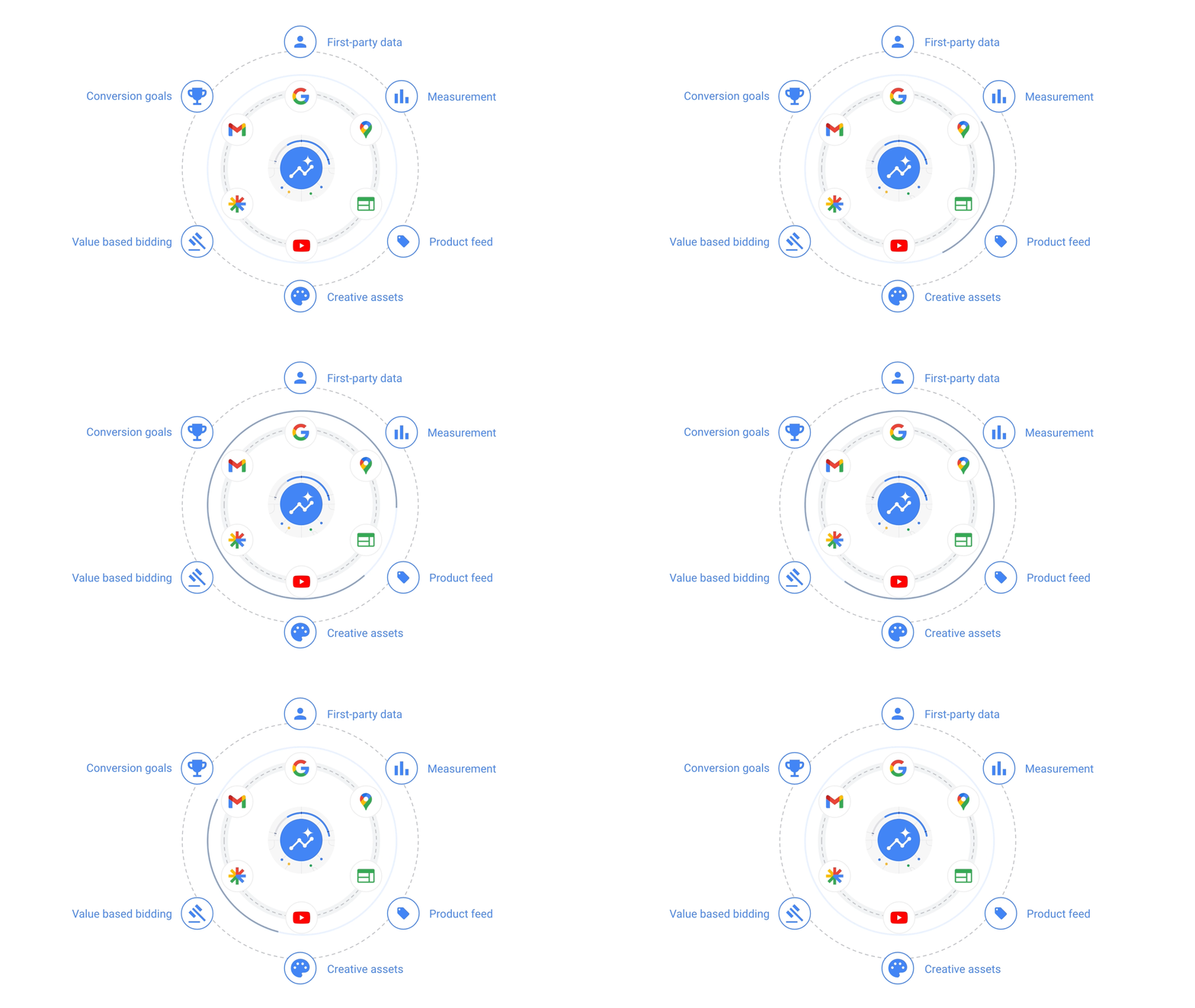
Building a structure that delivers results
Segment by destination and intent. Give the algorithm what it needs to perform: strong creatives, CRM data, clear thematic direction.
Working the algorithm, not the other way round
Set the right guardrails — brand exclusions, placement controls, objectives that genuinely reflect your business goals. PMax is powerful. It still requires proper oversight.
Letting the creative drive performance
Keep Google fed with native content — images, video, multi-format variations. Test different angles: emotion, price, reassurance. Identify what resonates with your audience.

Performance Max is the most powerful tool Google offers for generating volume across every channel — YouTube, Maps, Gmail, Search. But in travel, it's a double-edged sword. Left unchecked, the algorithm takes the path of least resistance and spends your budget on branded traffic — people who were already going to find you. The real job is forcing Google to go out and find new travellers.
Reaching the traveller before they even know where they want to go.
According to Expedia Group's 2023 Path to Purchase study, the average traveller consults 141 pages of content in the 45 days before booking. PMax lets you be present throughout that entire journey — not just at the end of it.
— Inspiration (top of funnel): your strongest video content on YouTube and Discover, building desire before intent has even formed.— Conversion (bottom of funnel): recapturing that same user on Maps or Gmail when they're ready to act.— The advantage: instead of managing channels separately, you manage a single CPA objective across all of them.
Segmentation is what separates performance from waste.
The most common mistake is putting everything into a single PMax campaign and letting Google decide.
— Segment by destination and theme: separate asset groups ("Lapland Winter", "Winter Sun") ensure the algorithm never shows a beach photograph to someone researching a ski trip.— First-party audience signals: feed the algorithm with your own data — CRM customer lists, abandoned enquiry visitors. You're telling Google exactly what a valuable prospect looks like. That changes everything.
Keeping the algorithm under control.
PMax will always spend where it's easiest. Rigorous management means putting firm limits in place.
— Brand exclusions: PMax should never bid on your own brand name. That's what manual Search campaigns are for, at a fraction of the cost. PMax is for conquest — full stop.— Placement exclusions: monitor where your ads actually appear. A luxury travel brand has no business showing up on a mobile gaming app. Bad for ROI. Worse for brand perception.
Creative is the fuel — not an afterthought.
In travel, the visual does 80% of the selling.
— Native formats: give Google what it needs to perform across every placement — vertical video for YouTube Shorts, horizontal imagery for Discover. Don't make the algorithm compromise.— Creative testing: rather than guessing what works, feed the machine several distinct angles — price-led, emotion-led, reassurance-led — and let it optimise towards whatever generates the most enquiries.
Is your PMax campaign actually bringing in new clients — or just recycling the audience you already have? Let's audit the real conquest share of your campaigns.

.svg)
